
Why the Balkans are the Ultimate Budget Destination for 2026
Affordable Balkan hidden spots are some of the best-kept secrets in European travel — and they won’t stay secret for long.
Here’s a fast look at the top picks and what you can expect to pay:
| Destination | Country | Why It’s Worth It | Avg. Daily Cost |
|---|---|---|---|
| Ksamil | Albania | Caribbean-like beaches, almost no crowds | ~$30-50 |
| Herceg Novi | Montenegro | Bay views, history, low prices | ~$40-60 |
| Mostar | Bosnia & Herzegovina | Iconic bridge, €1 coffees, €4 meals | ~$25-40 |
| Ulcinj | Montenegro | 13 km beach, cheaper than Budva | ~$35-55 |
| Berat | Albania | UNESCO town, zero tourist crowds | ~$25-45 |
| Lazaropole | North Macedonia | Remote village, waterfalls, wild nature | ~$20-35 |
| Krupajsko Vrelo | Serbia | Free-entry turquoise pools | ~$20-30 |
Most travelers spend far more than they need to in Europe. A week in Paris or Rome can easily cost what a full month in the Balkans would. In Bosnia, you can grab a coffee for €1 and a plate of cevapi for €4. Hostel beds across the region start from around €10 a night. Bus rides between towns cost just a few euros.
The Balkans stretch across Albania, Montenegro, Bosnia and Herzegovina, Serbia, North Macedonia, Croatia, Bulgaria, and more. Every country offers a mix of dramatic coastlines, mountain villages, ancient ruins, and genuinely welcoming locals — all at prices that feel almost too good to be true.
Whether you’re a solo backpacker, a couple avoiding the tourist trail, or just someone tired of paying €20 for a mediocre pasta in a crowded piazza — this region is worth your full attention in 2026.

If you have been conditioned to think that a European getaway is bound to drain your life savings, the Balkans are here to prove you wrong. As we look toward 2026, many popular Western European hubs are becoming increasingly expensive and overcrowded. In contrast, the Balkan Peninsula remains a haven where your money stretches significantly further.
Let’s look at the numbers. In Albania, you can find quality accommodation for $40 to $70 a night, while a hearty restaurant meal might only set you back $12 to $20. If you’re eating like a local at a small bakery or grill, that price drops to a staggering $5. Compare this to Croatia’s more popular spots like Dubrovnik, where accommodation can soar between $70 and $200 per night. Even within “expensive” countries like Greece, it is entirely possible to get by on less than $100 a day if you plan correctly.
At Larcome Stilo, we believe in discovering hidden budget travel gems for 2026 before the rest of the world catches on. The region offers a “Schengen escape” for long-term travelers, as countries like Albania, Montenegro, and Bosnia allow you to reset your 90-day visa limit while enjoying Mediterranean climates for a fraction of the price.
| Expense Category | Albania | Greece (Budget) | Croatia (Mid-range) |
|---|---|---|---|
| Hostel Bed | €10 – €15 | €25 – €35 | €30 – €45 |
| Budget Meal | €5 | €10 | €15 |
| Domestic Bus | €3 – €7 | €15 – €25 | €10 – €20 |
| Beer/Coffee | €1.50 | €4.00 | €3.50 |
Top Coastal Affordable Balkan Hidden Spots
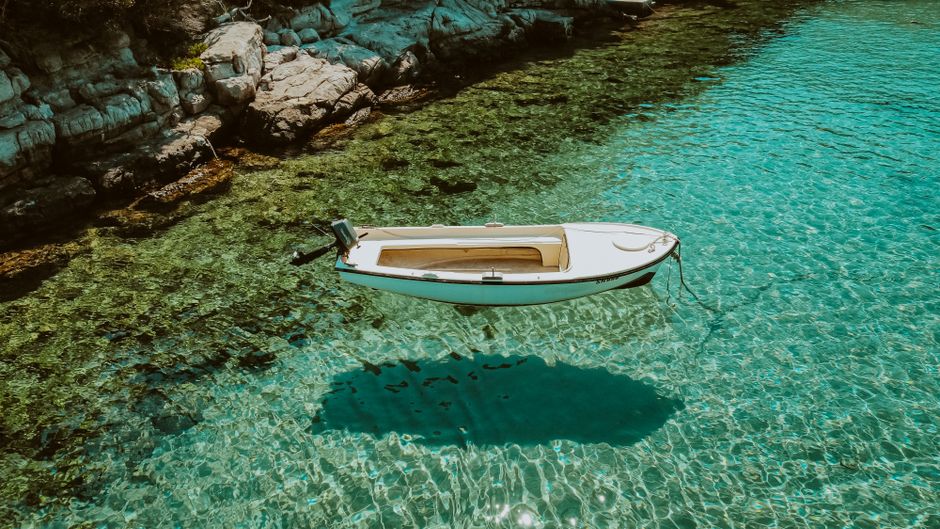
When people dream of turquoise waters, they usually think of the Maldives or the French Riviera. However, the Ionian and Adriatic coasts offer the same “dreamy” views without the “nightmare” price tag. Albania, in particular, competes with almost no one when it comes to value for money.
Secret Beaches and Island Escapes
Ksamil and Saranda, Albania Often dubbed the “Maldives of Europe,” Ksamil features small islands you can swim or boat to, surrounded by water so clear it looks photoshopped. While Saranda is the larger hub with a great nightlife vibe, Ksamil is the place for pure relaxation. You can find stunning beachfront spots for $40 a night, making these some of the most affordable Balkan hidden spots for beach lovers.
Dhërmi and Himara, Albania Further north on the Riviera, Dhërmi and Himara offer a more “chilled” Greek vibe. Himara is particularly special; it’s a town where you can still find hidden coves accessible only by boat or a short hike. It’s the kind of place where you plan to stay for two days and end up staying for two weeks. Don’t forget to explore more hidden budget travel gems to explore in 2026 as you plan your coastal route.
Vis Island, Croatia While Croatia is generally pricier, Vis Island remains a bastion of “old Mediterranean” charm. It’s where locals still play cards in the square every night. It’s significantly quieter than Hvar or Brač, offering a more authentic and budget-friendly experience if you avoid the peak of July.
Makarska Riviera and Pelješac Peninsula The Makarska Riviera offers dramatic mountain backdrops meeting the sea. For those who want to avoid the crowds of Split, the Pelješac Peninsula is a wine-lover’s paradise with quiet pebble beaches and some of the best oysters in the region at local prices.
Underrated Coastal Towns in Montenegro and Albania
Herceg Novi, Montenegro Located at the entrance of the Bay of Kotor, Herceg Novi is often overlooked for its more famous neighbor, Kotor. However, it offers a similar medieval charm with much lower prices. You can enjoy bay views and fortress climbs without the cruise ship crowds.
Ulcinj and the Bar Riviera Ulcinj is Montenegro’s southernmost beach town and is home to “Long Beach,” a 13 km stretch of sandy shore. It is famously cheaper than Budva, with a unique cultural blend and fantastic street food. Nearby, the Ratac Peninsula offers a wilder escape. It’s a place where 11th-century abbey ruins sit among a dense pine forest, providing natural shade for sunbathers who want to avoid paying for umbrellas.
For those looking for a peaceful inland retreat near the water, Villa Dunavski Raj – A hidden oasis provides a serene escape in a pine forest overlooking the Danube, proving that the coast isn’t the only place to find a “waterfront” paradise.
Mountain and Rural Affordable Balkan Hidden Spots
If you prefer hiking boots to flip-flops, the Balkan interior is a goldmine. The Dinaric Alps and the Carpathian Mountains offer world-class trekking that remains largely undiscovered by the masses.
Žabljak and Durmitor National Park, Montenegro Žabljak is the highest town in the Balkans and serves as the gateway to Durmitor. In winter, it’s a budget ski hub; in summer, it’s a hiker’s dream. You can walk around the “Black Lake” or take on the Đurđevića Tara Bridge, which offers terrifyingly beautiful views of the Tara Canyon—the deepest in Europe.
Tara National Park, Serbia Located in Western Serbia, Tara is home to the Drina River and the world’s shortest river, the Vrelo (only 365 meters long). It’s an area of pristine forests where brown bears still roam. Using towns like Uzice as a base, you can explore this region for very little money.
Krupajsko Vrelo, Serbia This is a true hidden gem. It’s a small, free-to-enter natural spring with mesmerizing turquoise water. While it can get busy on weekends, visiting on a weekday feels like you’ve discovered a secret portal to a fairytale.
Authentic Village Stays and Eco-Lodges
For those seeking a restorative experience, the Balkans offer unique “slow travel” opportunities in traditional villages.
Lazaropole, North Macedonia Sitting at 1,350 meters, Lazaropole is a remote village of stone houses and wild nature. It was founded by a survivor of a medieval attack and remains a place where you can truly unplug. The Church of St. George, built in 1841 like a fortress to ward off bandits, is a must-see for its incredible frescoes.
The Lakes of Prespa While Lake Ohrid is the star of North Macedonia, Lake Prespa is its quieter, more mysterious sibling. Villa Prespa is rural B&B in the village of Dolno Dupeni on lake Prespa. It offers an eco-conscious, restorative stay in the southernmost village of the country. It’s a cross-border national park shared with Greece and Albania, boasting extraordinary biodiversity.
Gjirokaster and Berat, Albania These UNESCO “museum cities” are famous for their Ottoman architecture. Berat, the “City of a Thousand Windows,” features a “living castle” where people still reside within the ancient walls. Gjirokaster is equally stunning, with steep cobbled streets and a massive fortress overlooking the valley. These towns are essential stops when looking for hidden budget travel gems for 2026.
For a truly unique experience, Villa Dihovo in the foothills of Mt. Pelister offers a “pay-what-you-want” model for accommodation, serving home-grown food and local wine in a restored 1928 stone house.
National Parks and Adventure Hubs
Una National Park, Bosnia & Herzegovina Many people flock to Croatia’s Plitvice Lakes, but Una National Park is arguably just as beautiful and far less crowded. The Štrbački Buk waterfall is a thunderous masterpiece of nature, and the park offers incredible rafting opportunities.
Mostar and Blagaj, Bosnia Mostar is iconic for its Stari Most (Old Bridge), where brave locals dive into the freezing Neretva River. Just a short bus ride away is Blagaj Tekke, a Dervish monastery built into a cliff face next to a karst spring. It is one of the most serene places in the entire region.
Practical Tips for Navigating Affordable Balkan Hidden Spots
Traveling through the Balkans requires a bit more flexibility than navigating Germany or France, but that’s part of the charm.
- Transport: While trains exist (the Bar-to-Belgrade line is one of the most scenic in the world), buses are king. In Albania, you’ll encounter “furgons” — informal minibuses that leave when full. They are cheap, but schedules are “flexible,” so bring your patience. For longer hauls, Flixbus operates in several Balkan countries.
- Connectivity: Don’t rely on your home roaming plan, which can be extortionate here. Pick up a local SIM or use an eSIM. Many travelers use apps like Maaltalk to stay connected across borders.
- Money: While Montenegro and Greece use the Euro, other countries have their own currencies (Lek in Albania, Marka in Bosnia, Denar in North Macedonia). Always carry cash, especially in smaller villages and affordable Balkan hidden spots, as card machines can be rare.
- Seasonality: July and August are hot and increasingly busy. The “sweet spots” are May-June and September-October. You’ll get lower prices, fewer crowds, and perfect hiking weather.
- Safety: The Balkans are remarkably safe for travelers. The biggest “danger” is often the local hospitality — don’t be surprised if a guesthouse owner insists you drink a shot of homemade rakija with them at 9:00 AM!
Frequently Asked Questions about Balkan Travel
What is the cheapest country to visit in the Balkans?
While the whole region is affordable, Albania and North Macedonia generally offer the lowest costs for food and accommodation. Bosnia and Herzegovina follows closely behind. You can comfortably travel in these countries on a budget of $30-$40 a day, including a bed, three meals, and transport.
How do I reach hidden spots without a car?
Most hidden spots are reachable by bus or local furgon. Websites like BalkanViator or Gjirafa (for Albania/Kosovo) can help with schedules, though asking at the local “Autobuska Stanica” (bus station) is often the most reliable method. For very remote spots like Lazaropole, you might need a local taxi from the nearest town, which is usually quite affordable (e.g., €2 for a short trip).
Is it safe to travel solo in the Balkans?
Yes, absolutely. The region has low violent crime rates, and locals are famously protective of guests. Standard travel common sense applies — keep an eye on your belongings in crowded bus stations and tell someone your itinerary if you’re heading off on a remote mountain hike.
Conclusion
The Balkans offer a rare opportunity to see Europe as it used to be: authentic, affordable, and wildly beautiful. From the “Maldives” of the Albanian Riviera to the misty peaks of Montenegro, these affordable Balkan hidden spots provide experiences that stay with you long after you’ve returned home.
At Larcome Stilo, we are dedicated to helping you navigate this changing travel landscape. As tourism rises globally, the secret to a fulfilling trip is meticulous planning and a willingness to step off the beaten path. Whether you’re sipping a €1 coffee in Mostar or waking up to bird songs in a Macedonian eco-lodge, the Balkans in 2026 are waiting for you.
Explore more at Larcome Stilo and start planning your next great adventure today!
