
Defining the “Broke” Budget in 2026
What does “traveling broke” actually look like in 2026? It isn’t about deprivation; it’s about prioritization. For us, a “broke” budget typically falls between $10 and $40 per day. This range covers your basic needs: a bed (usually a hostel dorm or a tent), three local meals, regional transport like “chicken buses” or trains, and perhaps one small indulgence like a cold beer or a guided museum entry.
In 2026, the strategy for maintaining this budget relies on three pillars: slow travel, street food, and dorm life. Moving every two days is the fastest way to kill a budget because transport is often your biggest expense. By staying in one region for two weeks, you slash those costs and gain leverage to negotiate long-term rates at guesthouses.
Inflation has certainly made its mark, but currency fluctuations often work in favor of those carrying stronger currencies into places like Pakistan or Laos. To see which specific countries are leading the pack this year, check out our detailed guide on cheap backpacking destinations for 2026.
The Global Guide to Cheap Backpacking Routes
If you want the absolute best “bang for your buck,” these international routes are the gold standard. They offer world-class scenery for a fraction of what you’d spend on a weekend in a major US city.
| Country | Route/Region | Daily Budget | Why Go? |
|---|---|---|---|
| Nepal | Annapurna Circuit | $10–$20 | Teahouse culture; no tent needed. |
| Pakistan | Fairy Meadows/Hunza | $15–$20 | World’s most dramatic mountains. |
| Vietnam | Ha Giang Loop | $15–$25 | Remote ethnic villages and limestone peaks. |
| Albania | Peaks of the Balkans | $25–$40 | “Swiss Alps” views at 1/4 the price. |
| Laos | Nong Khiaw/Muang Ngoy | $12–$25 | Riverside relaxation and jungle trekking. |
| Cambodia | Koh Rong Islands | $15–$25 | Pristine beaches and $2 dorms. |
| Turkey | Lycian Way | $20–$35 | Coastal Mediterranean ruins and camping. |
Nepal: The Teahouse Paradise
Nepal remains the king of cheap backpacking routes. On the Annapurna Circuit, you can trek for 14–22 days without carrying a tent or a stove. You sleep in “teahouses” (basic lodges) for a few dollars and eat Dal Bhat (lentil stew and rice) which usually comes with free refills. It’s the ultimate “broke” luxury.
Pakistan: The Wild Frontier
For those who find Nepal too “discovered,” Pakistan is the answer. In the Gilgit-Baltistan region, you can hike to the base of Nanga Parbat (the 9th highest mountain in the world) for roughly $15 a day. The hospitality here is legendary; don’t be surprised if locals invite you for tea or a meal, refusing to take your money.
Vietnam: The Village Trail
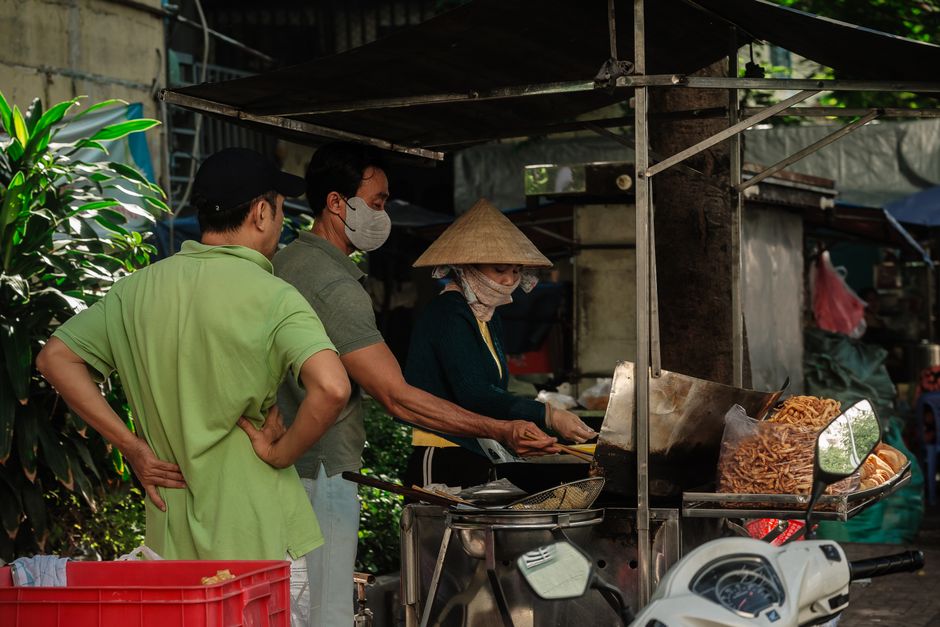
Vietnam is incredibly affordable if you stick to the north. Exploring the villages around Sapa or the Ha Giang region offers a mix of rice terraces and rugged mountains. You can find dorm beds for $5 and world-class street food for $2.
Beginner-Friendly Cheap Backpacking Routes in the USA
You don’t always need a passport to find an adventure. While the US is generally more expensive due to gear and transport, the actual “on-trail” cost is often just the price of a permit. Here are our favorite cheap backpacking routes for beginners in the States.
- Half Dome (Yosemite, CA): This is the “gateway” drug for many backpackers. It’s roughly 15–16 miles round trip with 5,000 feet of elevation gain. We recommend taking 3 days and 2 nights to make it manageable. Pro tip: Go up the Mist Trail and down the John Muir Trail to save your knees.
- Havasu Falls (Grand Canyon, AZ): This is widely considered one of the top three most beautiful trails in the US. It’s a 25-mile round trip with a 2,500-foot climb out. While the permits are highly competitive and increasingly expensive, the experience of the turquoise water against red rocks is priceless.
- Lost Coast Trail (King Range, CA): If you hate climbing mountains, this is for you. It’s 25 miles point-to-point with almost zero elevation gain. You walk entirely along the beach. The biggest challenge here isn’t your lungs; it’s the tide. You must time your hike so you don’t get trapped by the rising ocean.
- The Beaten Path (Absaroka-Beartooth Wilderness, MT): This 26-mile route is a “hidden gem” compared to the National Parks. It features dozens of alpine lakes and dramatic plateaus. No permits are required for camping, making it a great last-minute budget option.

Before you head out, make sure you’ve brushed up on your essential safety tips for hikers to ensure your first trip isn’t your last.
International Cheap Backpacking Routes for Novices
If you’re ready to head overseas but want the safety net of established trails and guesthouses, these three routes are perfect.
1. The Quilotoa Loop (Ecuador) This is arguably the best value trek in South America. It’s a 3-day hike through Andean villages. We suggest the “easy way”: start in Quilotoa and hike down to Sigchos. This direction is mostly downhill and ends at lower altitudes. You can stay in beautiful hostels like Hostal Cloud Forest for about $15 a night, which includes a private room, a 3-course dinner, and breakfast.
2. Peaks of the Balkans (Albania, Kosovo, Montenegro) This 114-mile loop is the “new” frontier of European hiking. It’s a hut-to-hut experience where you don’t need to carry camping gear. Guesthouses provide hot showers, Wi-Fi, and massive farm-to-table meals for about €30 a night. It feels much wilder and more authentic than the crowded trails of France or Switzerland.
3. The Kepler Track (New Zealand) While New Zealand’s “Great Walks” can be pricey for foreigners, the Kepler Track is a standout. It’s a 65km loop with incredible alpine views. If you are on a strict budget, you can “freedom camp” sustainably (at least 500m off the track) or use the designated campsites for about $32 NZD instead of the expensive huts.
For more on staying secure in these remote areas, see our top safety guidance for backpackers.
Off-the-Beaten-Path Value Destinations
As tourism booms in popular spots, we look for “unheralded” destinations where your dollar still commands respect.
- Central Asia (The “Stans”): Uzbekistan and Kyrgyzstan offer some of the “wildest cheap” experiences left on earth. You can trek through the Tian Shan mountains, staying in yurt camps for less than $20 a day.
- The Balkans (Beyond Albania): Bosnia and Herzegovina and Kosovo are often overlooked but offer stunning mountain ranges like the Accursed Mountains with very few crowds and extremely low costs.
- Georgia (The Caucasus): While prices in Tbilisi have risen, the mountain regions of Svaneti remain affordable and breathtaking. You can hike from village to village, staying in centuries-old stone towers.
Essential Gear and Planning for Budget Success
You don’t need to spend $2,000 at a gear shop to start backpacking. In fact, overspending on high-end gear is a classic rookie mistake.
The Budget Gear Strategy
- Shelter: If you aren’t ready to commit, rent a tent or buy a mid-range model. You don’t need a $600 ultralight tent for your first three-day trip.
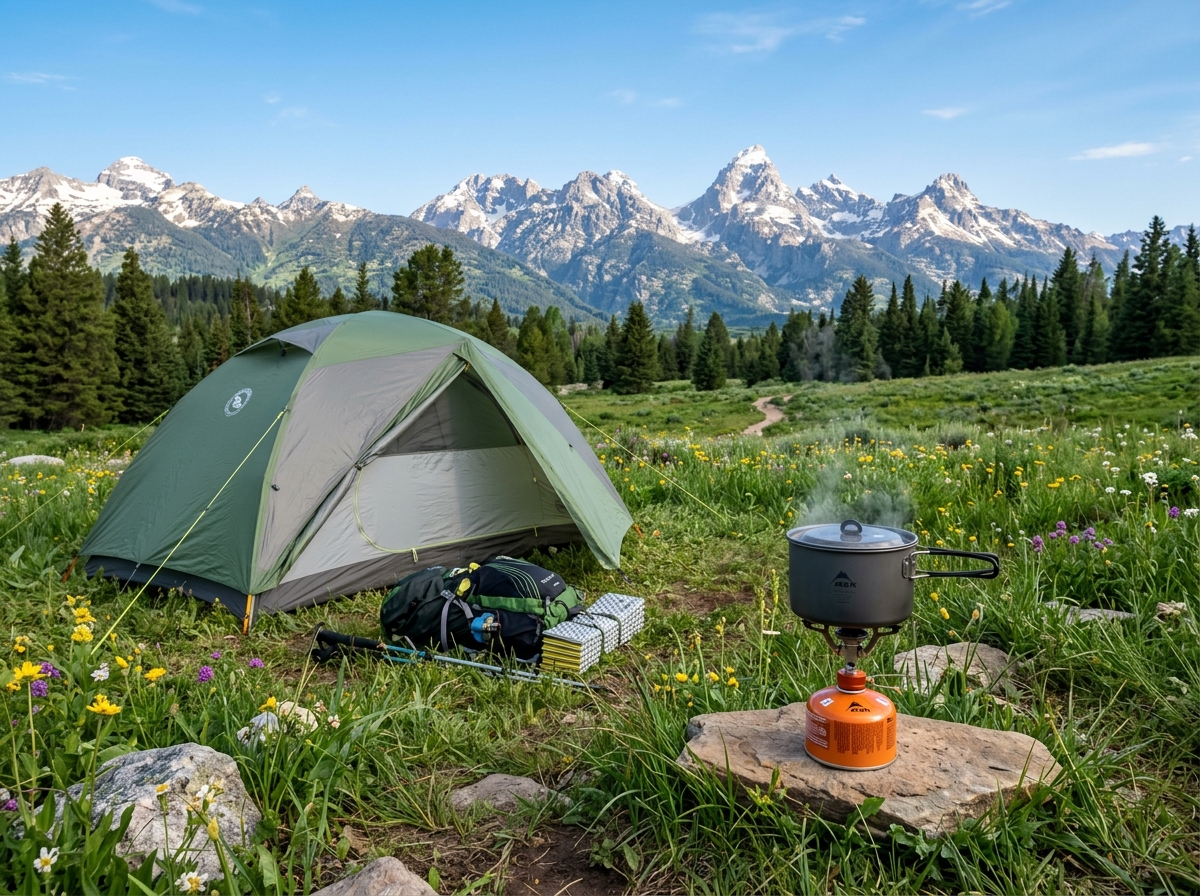
- Cooking: A simple canister stove (like a PocketRocket clone) and a single titanium pot are all you need. Stick to simple meals like oatmeal and dehydrated beans.
- Water: Never buy bottled water. It’s expensive and bad for the environment. Use a Sawyer Squeeze or Katadyn BeFree filter. They cost about $30 and will last for years.
Logistics and Permits
For high-demand US trails like those in Yosemite or the Grand Canyon, you need to apply for permits months in advance via recreation.gov. If you miss the window, look for “walk-up” permits or choose National Forest land, which often requires no permits at all.
For international routes, the logistics are often easier. In the Balkans, you can get a cross-border permit online for about $30. In Nepal, you simply buy your TIMS card and park permit in Kathmandu or Pokhara before heading out.
Check out our full list of backpacker safety and gear essentials to make sure you haven’t forgotten the basics like a bear canister or a first-aid kit.
Rookie Mistakes to Avoid
- Overpacking: Your pack should not weigh more than 20% of your body weight. If it does, you’re going to have a bad time.
- Breaking in boots on the trail: Wear your footwear for at least 20 miles before your trip.
- Ignoring the weather: Mountain weather changes in minutes. Always carry a rain shell, even if the forecast says sun.
Frequently Asked Questions
How has inflation affected budget backpacking in 2026?
While flight prices have increased and some “classic” spots like Thailand are pricier, new regions have opened up. Countries like Albania, Pakistan, and Laos have remained remarkably affordable. The “broke” budget has shifted from $10/day to about $15-$20/day in the cheapest regions, but it’s still the most cost-effective way to see the world.
What are the safest cheap countries for solo beginners?
Vietnam and Thailand are incredibly safe due to the established “Banana Pancake Trail” infrastructure. In Europe, Albania is surprisingly welcoming and safe for solo travelers. For US beginners, the Trans-Catalina Trail is great because you are never more than a few miles from a small town or a ranger station.
Is it cheaper to backpack in the US or internationally?
Internationally is almost always cheaper in the long run. While the flight is a big upfront cost, your daily spend in a place like Nepal ($15) is a fraction of what you’d spend on food and transport for a US trip. However, for a short 3-day weekend, a local US National Forest trip is the most budget-friendly option.
Conclusion
At Larcome Stilo, we believe that adventure shouldn’t be a luxury reserved for the wealthy. By choosing cheap backpacking routes and focusing on unheralded destinations, you can experience the world’s most dramatic landscapes for less than the cost of a month’s rent back home.
Whether you’re navigating the tides on the Lost Coast or sipping Turkish coffee in a shepherd’s hut in the Balkans, the best memories usually come from the places that required a bit of planning and a lot of heart—not a big bank account.
Ready to find your next adventure? Discover more thrilling travel destinations and start planning your 2026 escape today.
