
Western Europe Is Expensive — Here’s Why Low Cost Eastern Europe Is Having Its Moment
The best low cost Eastern Europe destinations in 2026 are:
| Country | Est. Daily Budget | Highlights |
|---|---|---|
| Moldova | ~$40/day | Cheapest in Europe, wine country |
| Bulgaria | ~$40–$68/day | Sofia, Plovdiv, Black Sea coast |
| Serbia | ~$47/day | Belgrade nightlife, food scene |
| Romania | ~$36–$83/day | Transylvania, Bucharest, Carpathians |
| Bosnia & Herzegovina | ~$72/day | Sarajevo, Mostar, mountain scenery |
Paris is beautiful. It’s also brutally expensive.
A single dinner. A museum ticket. A glass of wine on a terrace. The costs stack up fast in Western Europe — and for budget-conscious travelers, that math just doesn’t work anymore.
Eastern Europe is different.
In Bulgaria, you can grab a beer for under $2, find a private room for $20, and get an all-day public transport pass for about a dollar. One traveler covered 46 days across Bulgaria, Romania, and Ukraine for a total of just $1,876 — roughly $40 a day.
But here’s the catch: not all of Eastern Europe is cheap anymore.
Prague — once the poster child of budget European travel — now has hotels listing rooms above $200 a night. Budapest and Krakow have followed. The budget travelers who aren’t paying attention are the ones getting burned.
The good news? Genuinely affordable destinations still exist. You just need to know where to look.
This guide cuts through the noise and shows you exactly where your money goes furthest in 2026 — from hidden Balkan gems to underrated Black Sea cities most tourists completely skip.

The New Map of low cost Eastern Europe: Top Countries for 2026
The travel landscape is shifting. While your friends are fighting crowds at the Eiffel Tower, savvy travelers are looking further East. The “New Map” of low cost Eastern Europe focuses on countries that offer Western-standard amenities at a fraction of the price.
When we look at the data for 2026, a clear hierarchy emerges. If you want your dollar (or Euro) to scream, you have to prioritize countries that haven’t yet fully synchronized their prices with the European Union average.
| Destination | Est. Daily Budget (USD) | Why It’s a Bargain |
|---|---|---|
| Bulgaria | $35 – $55 | Low taxes, cheap transport, $2 beers. |
| Romania | $36 – $58 | Incredible value in Transylvania; $5 wine bottles. |
| Moldova | $39 – $45 | Europe’s “hidden cellar”; extremely low dining costs. |
| Poland | $65 – $75 | Higher than the others, but still 40% cheaper than Germany. |
The Currency Advantage
One of the biggest secrets to finding What are the cheapest countries to visit in Eastern Europe? – Quora is looking at the currency. Countries like Bulgaria (using the Lev) and Romania (using the Leu) offer a distinct psychological and financial advantage. Even as Bulgaria prepares for deeper Euro integration, the local cost of living remains low.
Non-EU value is real. In places like Serbia or Bosnia & Herzegovina, you aren’t paying the “EU tax” on goods and services. This means your “splurge” meal in Sarajevo—complete with multiple courses and drinks—might cost less than a soggy sandwich at a London airport.
Bulgaria: The Gold Standard of low cost Eastern Europe
Bulgaria is, quite simply, the heavyweight champion of budget travel. We’ve seen travelers spend an average of just $44 per day over a three-week trip, and that included a fair amount of partying and “sushi splurges.” If you stick to local Bulgarian cuisine, that number easily drops to $38.
- Sofia: The capital is a masterclass in affordability. You can buy an all-day public transport pass for roughly $1. Museum tickets for foreigners usually hover around $2-$3, which is almost unheard of in the West.
- Plovdiv: Often mistaken for a pricey Italian or German town due to its Roman amphitheater and colorful hills, Plovdiv remains incredibly cheap. A full meal at a nice restaurant here can cost as little as 10 Lev (~$5 USD).
- The Black Sea: Skip the overpriced “Sunny Beach” (which has become a bit of a tourist trap) and head to Varna. You get the same ocean views and fresh seafood at half the price.
For those planning ahead, you can often find Cheap Flights to Bulgaria | Wizz Air for as low as €15 if you book during the off-peak months like November.
Romania and the Balkans: High Value in low cost Eastern Europe
Romania is where the “Old World” meets modern convenience. In Bucharest, you’ll find a city that is 30-40% cheaper than Western European spots, with a nightlife scene that rivals Berlin.
Beyond the capital, Transylvania offers a fairy-tale experience without the Disney prices. We recommend visiting towns like Brasov or Sibiu. A traveler in Romania can expect to spend about $36 per day. Even if you want a private room and nicer sit-down meals, a budget of $58 a day is more than enough.
The Balkans also offer incredible value. Sarajevo and Mostar in Bosnia & Herzegovina are stunningly beautiful and rich in history. If you’re looking for inexpensive-travel-destinations-in-europe-for-2026/, the Balkan route is your best bet for authentic hospitality and low-cost mountain hiking.
Hidden Gems: Beyond the “Gothic Disneyland” of Prague
We need to have a serious talk about Prague. We love the architecture, but with 90% of visitors to the Czech Republic never leaving the capital, the city has transformed into what some call a “Gothic Disneyland.” Prices have skyrocketed, with hostels now matching rates in Dublin or Berlin.
To find the true spirit of low cost Eastern Europe, you have to look at the “hidden gems” that are currently where Prague was twenty years ago.
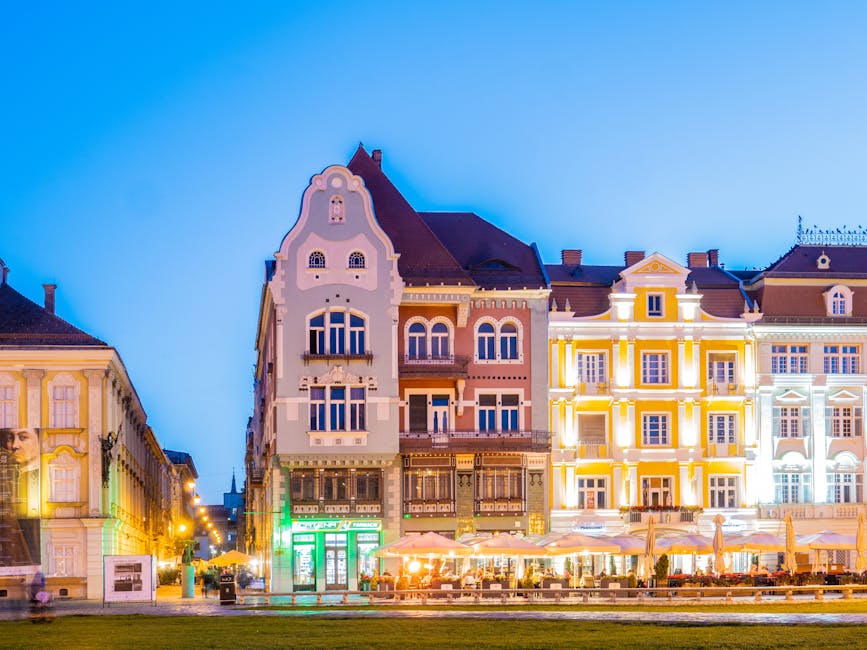
1. Timisoara, Romania
Often called “Little Vienna,” Timisoara is a vibrant, walkable city with a massive student population that keeps prices down. It’s a digital nomad favorite because of its high-speed internet and cozy cafes. It’s also a perfect rail hub if you’re planning to head toward Budapest or Belgrade.
2. Tbilisi, Georgia
While technically at the intersection of Europe and Asia, Tbilisi is the “it” destination for 2026. It offers a cosmopolitan vibe, incredible wine culture, and a food scene that will make you forget all about French bistros. It’s also a fantastic place to consider for long-term stays, as Georgia offers generous visa-free terms for many nationalities.
3. Veliko Tarnovo, Bulgaria
This was the medieval capital of Bulgaria, perched on three hills. It’s visually stunning and incredibly cheap. You can find local guesthouses here that serve home-cooked meals for just a few dollars. It’s the perfect alternative for those who find Sofia too “big city.”
For those looking further ahead, these regions are even becoming Cost-Effective Retirement Spots in Eastern Europe to Consider because the quality of life relative to the cost of living is simply unbeatable.
How to Master Your Budget: Practical Saving Strategies
Traveling cheaply in Eastern Europe isn’t just about the destination; it’s about how you move through it. Here are our tried-and-true strategies for keeping your wallet fat.
Eat Like a Local (The Burek Strategy)
Forget the restaurants in the main squares. Look for “Pekaras” (bakeries). You can grab a Burek (a flaky pastry filled with meat or cheese) for about $1.50. It’s filling, delicious, and the quintessential Balkan breakfast.
- Supermarket Alcohol: In Bulgaria and Romania, you can find $5 bottles of excellent local wine and beers for under $2 in supermarkets.
- Local Markets: Visit the “Zhenski Pazar” (Women’s Market) in Sofia for groceries. You can get a week’s worth of basic necessities for 45-70 BGN ($25-$38).
Transportation Hacks
- Public Transport Passes: Never buy single tickets. In cities like Sofia or Bucharest, an all-day pass costs about a dollar and covers buses, trams, and metro.
- BlaBlaCar: This ridesharing app is huge in Romania. It’s often cheaper and faster than the train.
- Overnight Trains: In countries like Ukraine (when safe) or Romania, taking an overnight train saves you the cost of a night’s accommodation.
- Buses over Trains: In Bulgaria, stick to the buses. A trip from Sofia to the coastal city of Varna costs about 33 BGN (~$18), while shorter trips like Sofia to Plovdiv are only 15 BGN (~$8).
Navigation and Accommodation
- Learn the Cyrillic Alphabet: It only takes an afternoon to learn, and it makes navigating Bulgarian or Serbian bus stations 100% easier.
- Hostel Extras: Look for hostels in Bucharest or Belgrade that include free breakfast or even a free evening beer. These small perks can save you $10 a day.
- Free Walking Tours: Almost every major Eastern European city has a free walking tour. They are the best way to get your bearings. Just remember to tip your guide!
Timing and Trade-offs: When to Go and What to Expect
Timing is everything. If you go in July, you’ll deal with heat and the highest prices of the year.
The Magic of the Shoulder Season
We highly recommend visiting during March–May or September–November.
- 30% Price Drops: Hotel rates in major cities like Budapest or Sofia can drop by 20-30% compared to the summer peak.
- Fewer Crowds: You’ll actually be able to see the sights without a selfie stick in your eye.
- Perfect Weather: Autumn in the Carpathians is breathtaking—clear skies, golden leaves, and perfect hiking temperatures.
The Trade-offs
Let’s be real: traveling in the cheapest parts of low cost Eastern Europe isn’t always a walk in the park.
- Infrastructure: You might encounter Soviet-era trains that move at the speed of a brisk walk. Infrastructure can be “rough around the edges.”
- Language Barriers: Outside the major capitals, English is less common. However, people are generally very helpful if you use a few local words.
- Soviet Remnants: You will see a lot of “Brutalist” architecture. Some find it gray and depressing; we think it’s a fascinating historical layer.
Frequently Asked Questions about Low Cost Eastern Europe
Which popular Eastern European cities are no longer budget-friendly?
Prague is the main offender. It has become so popular that prices for food and lodging are nearing Paris or London levels in the city center. Budapest and Krakow are also seeing significant price surges, especially in the “Jewish Quarter” or “Old Town” areas. Dubrovnik in Croatia is another one to watch—mass tourism from cruise ships has driven prices through the roof. If you visit these cities, stay in residential neighborhoods like Vinohrady in Prague or District VII in Budapest to save 30%.
What is a realistic daily budget for the cheapest countries?
For a “normal” budget traveler in a country like Bulgaria or Romania:
- Basic ($35-$40): Hostel dorm, cooking some meals, using public transport, free attractions.
- Mid-range ($55): Private room in a hostel or budget hotel, eating out at local restaurants, a few paid museum entries.
- Luxury ($75+): Staying in nice hotels, three-course meals with wine, and private tours.
When is the most affordable time to visit to avoid crowds?
November is statistically the cheapest month to fly and stay in Bulgaria and Romania. While it can be rainy, the lack of crowds and the rock-bottom prices make it a favorite for “slow travelers.” If you want better weather, aim for late September. You get the warmth of the summer without the “peak season” price tag.
Conclusion
At Larcome Stilo, we believe that travel shouldn’t require a second mortgage. The rise of low cost Eastern Europe is a gift to the curious traveler. By looking beyond the “Gothic Disneyland” of the major hubs and venturing into the heart of the Balkans or the mountains of Romania, you can experience a version of Europe that is authentic, thrilling, and remarkably affordable.
Whether you’re looking for a weekend ski trip in Bansko, a digital nomad stint in Timisoara, or a deep dive into the history of Sofia, the opportunities for 2026 are endless. It just takes a bit of meticulous planning and a willingness to head East.
Ready to plan your next affordable luxury escape? Discover more hidden gems and meticulous itineraries at https://www.larcomestilo.com/.
